Transitioning from chartering or shore fishing marks a major milestone for any angler. You finally move past a romanticized view of boating. Instead, you must rigorously evaluate utility, costs, and lifestyle alignment. Prospective buyers often struggle during this critical evaluation phase. They weigh the heavy upfront capital and operational overhead against very real advantages. These tangible advantages include unrestricted access and highly customized angling. You might wonder if the financial commitment truly justifies your actual time on the water. Making the wrong choice leads directly to frustration and unused assets sitting in driveways. This guide provides a transparent, evidence-oriented framework for your purchase. We explore how different vessel categories fit your specific maritime goals. You will learn to evaluate whether the rewards justify the ongoing financial and time commitments. By the end, you will understand how to perfectly balance your passion for angling with the practical realities of marine ownership.
Key Takeaways
The primary benefits of owning a fishing boat are scheduling autonomy, gear customization, and long-term cost-efficiency for high-frequency anglers.
Selecting the right hull and layout (e.g., cuddy cabins vs. center consoles) dictates both your fishing capabilities and your maintenance burden.
Total Cost of Ownership (TCO) extends beyond the purchase price; factoring in storage, depreciation, and routine upkeep is critical to avoiding buyer's remorse.
Mitigating "underuse risk" requires an honest assessment of your proximity to water, towing capacity, and available free time.
Evaluating the Core Benefits of Owning a Fishing Boat
Many anglers reach a point where shore access feels incredibly limiting. You want to chase specific species on your own schedule. This strong desire highlights the core benefits of owning a fishing boat. Ownership completely transforms your approach to the sport. It shifts you from a paying passenger to a fully autonomous captain.
Unrestricted Access and Scheduling Autonomy
You no longer depend on limited charter availability. Seasonal waitlists become a thing of the past. Strict departure and return times disappear completely. You can finally execute strike-mission fishing trips. This means launching immediately during optimal weather windows. You can chase the perfect tidal movement without asking for permission. Early morning bites and late evening runs belong entirely to you.
Complete System Customization
Your vessel becomes a highly personalized tool. Ownership allows for tailored, permanent rigging. You can seamlessly install preferred marine electronics and NMEA 2000 networks. You might add specific deep-water transducers or custom-welded rod holders. Livewells can be tuned perfectly for your specific target species. Charter boats must serve general audiences. Your personal boat serves your exact angling style and daily preferences.
Long-Term Cost-Efficiency
Upfront purchase costs remain undeniably high. However, avid anglers often find ownership highly economical. If you fish more than fifteen times a year, the math shifts favorably. A five-to-seven-year horizon often reveals a distinct break-even point. You stop paying expensive, recurring guide and charter fees. The capital translates into tangible equity rather than sunk rental costs.
The Lifestyle Return on Investment
Beyond the raw catch rate, other incredible values emerge. Ownership facilitates consistent family bonding and crucial stress relief. You gain unprecedented access to remote barrier islands and hidden coves. These pristine spots remain completely inaccessible by land. You build lasting memories on the water alongside friends. This lifestyle return often profoundly outweighs the strict financial metrics of the purchase.
Matching Vessel Categories to Your Fishing Strategy
Selecting the right hull and deck layout dictates your capabilities. It also strongly determines your future maintenance burden. You must closely align the vessel design to your primary on-water activities.
Lifestyle Vessel Applications
Many families explore Lifestyle fishing boats for their first purchase. These platforms are best for anglers balancing dedicated trips and family recreation. You can easily switch between casting jigs and pulling towable tubes. They offer comfortable cruising amenities like plush seating and ski pylons. However, you face some notable trade-offs. You often sacrifice valuable deck space for these seating arrangements. Extra comfort amenities add physical weight and electrical complexity.
Cuddy Cabin Options
Next, you should seriously consider cuddy cabin fishing boats. They are absolute best for extended trips far from the dock. They handle sudden weather changes and heavy rain exceptionally well. They provide overnight capabilities via comfortable V-berths. You also gain secure, dry storage behind locking doors for expensive gear. The trade-offs include a significantly heavier towing weight. You also lose some bow access, making forward casting difficult.
Utility and Durability Focus
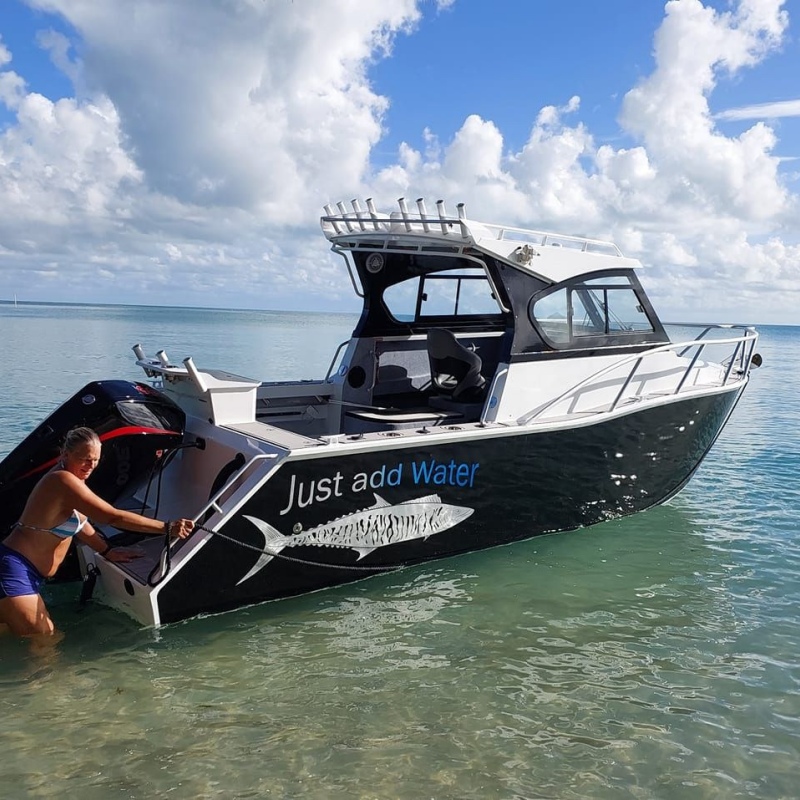
Serious offshore anglers prioritize rugged, unyielding builds above all else. A 7.5m aluminum cabin fishing boat excels heavily here. It is best for true offshore capability and rough water handling. Plate aluminum resists impact damage significantly better than traditional fiberglass. It requires far less cosmetic upkeep over its lifespan. Trade-offs do exist in this category. Aluminum can be susceptible to galvanic corrosion in saltwater. You must use diligent zinc-anode protection. It also provides a slightly stiffer ride in heavy, short-period chop.
Fishing Boat Category Comparison
| Vessel Category | Primary Strength | Ideal Angler Profile | Notable Trade-off |
| Lifestyle Models | Family versatility and comfort | Weekend warriors with children | Reduced casting deck space |
| Cuddy Cabins | Weather protection and storage | Overnight and distance anglers | Heavier towing weight |
| Aluminum Cabins | Extreme durability and strength | Offshore and heavy-weather fishers | Galvanic corrosion risks |
The Realities of Fishing Boat Maintenance and Care
Owning a vessel requires dedicated, proactive upkeep. Proper care directly ensures reliability and safety on the open water. Routine fishing boat maintenance fiercely protects your initial investment. It actively prevents catastrophic breakdowns miles from shore.
Baseline Upkeep Requirements
You must address the outboard or inboard engine regularly. Industry experts strongly recommend annual 100-hour services. This comprehensive service includes changing water pump impellers, oil, and fuel filters. You also need to drain and replace the lower unit gear lube. Hull and electrical system care remain equally important. Post-trip freshwater flushing of the engine is strictly mandatory. Gelcoat waxing protects fiberglass models from severe sun damage. Trailer hub maintenance prevents dangerous roadside wheel bearing disasters.
Calculating Hidden Operational Logistics
Beyond the dealer sticker price, daily operations require careful budgeting. You must anticipate these ongoing hidden expenses.
Storage Logistics: You must firmly decide between dry stack and wet slip storage. Driveway storage works perfectly if your neighborhood HOA permits it. Each unique option drastically changes your monthly financial expenses.
Insurance and Depreciation: Marine insurance premiums depend heavily on vessel size and top speed. You must also manage severe year-one depreciation. Brand new vessels lose considerable value immediately after leaving the dealership.
Fuel Consumption: Marine engines always operate under constant, heavy load. Automotive fuel efficiency standards do not apply here. You must calculate budgets based on optimal cruising RPM efficiency, not miles per gallon.
Mitigating Underuse Risk and Adoption Barriers
Many new owners face the highly dreaded "underuse risk." They buy a beautiful vessel but rarely launch it into the water. You can avoid this trap by assessing common barriers realistically beforehand.
The Towing and Launching Equation
Always verify your specific vehicle's towing capacity first. Include the wet weight of the boat and the heavy steel trailer. Factor in the weight of fuel, ice, batteries, and gear. Assess your local community boat ramps very carefully. Determine if the boat strictly requires a two-person launch. Check if solo launching is actually manageable for your current skill level.
Proximity to Usable Water
Location absolutely dictates your usage frequency. The farther your storage location sits from the ramp, the lower your usage drops. Long, stressful drives actively discourage spontaneous afternoon fishing trips. Keep your vessel stored as close to the water as geographically possible.
Time Allocation Rules
Boating demands significant time outside of the actual fishing window. The marine industry assumes a very specific time ratio. Expect one solid hour of prep and cleaning for every three hours on the water. You must have the schedule flexibility to accommodate this harsh reality. If your free time is severely limited, vessel ownership might frustrate you deeply.
A Framework for Your Buying Decision and Next Steps
You need a highly structured approach to finalize your purchase decision. Avoid emotional purchases driven purely by brilliant showroom lighting.
Define Your Primary Use Case
Document the exact bodies of water you will navigate regularly. Apply the golden 80% rule to your decision. Buy the specific vessel suited perfectly for 80% of your trips. Do not buy a massive boat for the 20% exception. A deep-V offshore rig makes absolutely no sense for daily shallow lake fishing.
Establish a Year-One Hard Budget
Combine the base purchase price with mandatory local taxes and registration fees. Include critical initial safety gear like EPIRBs, flares, and high-quality PFDs. Add your entire year-one storage fees to this comprehensive total. This proactive math prevents immediate financial strain right after signing the dealer contract.
Evaluation Action Plan
Follow these concrete steps before handing over any money:
Shortlist two to three vessel styles based strictly on your budget.
Ensure these chosen styles fit comfortably within your vehicle's towing limits.
Schedule active sea trials in realistic, choppy conditions. Avoid testing boats on perfectly calm days.
Request standardized maintenance schedules from local dealers to project ongoing service costs.
Conclusion
The numerous advantages of owning a vessel prove highly rewarding. Autonomy, gear customization, and unrestricted access completely transform your angling experience. However, this holds true only if you align the vessel choice closely with your actual lifestyle. Your household budget must comfortably absorb the ongoing operational realities. Shift your primary focus away from the initial showroom sticker price. Look much more closely at the ongoing logistics, maintenance, and storage demands. We strongly recommend prioritizing vessels offering the absolute lowest friction to use. A boat easily hitched, towed, and launched ensures maximum time on the water. This highly practical approach guarantees a truly justified and joyous marine investment.
FAQ
Q: Is a fishing boat a good financial investment?
A: No. Boats are depreciating assets by nature. The true investment is entirely in lifestyle, convenience, and recreational value. Financial justification relies on comparing ongoing operational expenses against frequent chartering costs. If you fish constantly throughout the year, ownership becomes a highly efficient use of your recreational funds.
Q: How much does routine fishing boat maintenance cost annually?
A: A conservative rule of thumb suggests budgeting roughly 10% of the boat’s current value annually. This comfortably covers routine engine maintenance, storage fees, and insurance premiums. However, this varies heavily by hull material. Aluminum vessels and simple driveway storage significantly lower this annual percentage compared to large fiberglass wet-slip setups.
Q: Are aluminum or fiberglass fishing boats easier to maintain?
A: Generally, aluminum boats require significantly less cosmetic maintenance. They absolutely do not need regular waxing to prevent UV oxidation and gelcoat fading. However, they still require strict electrical isolation. You must meticulously maintain and replace zinc anode protection regularly to prevent severe galvanic corrosion in saltwater environments.


