Owning fishing boats isn’t just about the thrill of open waters—it’s also about preserving your investment and ensuring every trip is safe and enjoyable. Regular maintenance not only extends the life of your vessel but also keeps performance, safety, and comfort at their best. At Qingdao Gospel Boat Co., Ltd., we design and manufacture high-quality aluminum fishing boats that are built to last. Still, every boat—no matter how well built—requires consistent care to stay seaworthy year after year. Whether you fish in saltwater or freshwater, following a proper maintenance schedule helps you protect your boat, reduce repair costs, and get the most out of your time on the water with a reliable and ready-to-go vessel like the ones from Gospel Boat.
Basic Maintenance Schedule: Daily, Monthly, and Annual Tasks
A disciplined maintenance routine is the cornerstone of boat ownership. Breaking down care into daily, monthly, and annual tasks ensures nothing is overlooked. It’s the small, regular habits that prevent major breakdowns later.
Daily checks are all about cleanliness and visual inspection. After each trip, rinse the boat thoroughly with fresh water to remove salt, grime, and debris. Pay attention to areas like the hull, deck fittings, and fish boxes. Saltwater, in particular, is highly corrosive, so washing your aluminum hull after use can dramatically extend its lifespan. Check bilge pumps for proper operation, remove standing water, and open compartments for ventilation. A quick post-trip inspection also allows you to spot fuel leaks, loose bolts, or worn seals early.
Monthly maintenance should include a deeper inspection of your mechanical and electrical systems. Examine fuel lines for cracks, clean or replace filters, and check propeller condition. Lubricate moving parts like steering cables and hinges. Don’t forget your trailer—inspect tires, bearings, and lights. Even the best aluminum fishing boats rely on a well-maintained trailer for safe transport.
Annual maintenance is your comprehensive check-up. This is the time for oil changes, gear lubrication, impeller replacement, and hull polishing. Inspect the anodes, replace worn ones, and review the electrical system for corrosion. For aluminum hulls, consider applying a protective wax layer or marine coating to maintain that factory shine and guard against oxidation. Scheduling this before your main fishing season starts ensures a smooth, worry-free launch every time.
Engine Care and Fuel System Tips: Long-Term Storage Checklist
Your engine is the heart of your fishing boat. Proper boat maintenance starts here, because even the most durable hull won’t get you far if your outboard or inboard engine isn’t performing reliably.
Always flush your engine after each saltwater trip to remove salt buildup. Use fresh water and a flushing attachment designed for your model. This simple habit can double your engine’s lifespan. Keep an eye on the oil level and color—milky or dark oil can signal internal issues. Replace the oil and oil filter according to your manufacturer’s schedule, usually every 100 hours or once a season.
Fuel systems need equal attention. Use fuel stabilizers to prevent ethanol-related issues, especially if your boat will be idle for more than a few weeks. Drain and clean the fuel filter regularly and inspect all connections for leaks. For boats stored during the off-season, top off the fuel tank to reduce condensation, but leave enough room for expansion. Disconnect the battery and store it in a cool, dry place with a trickle charger to maintain health.
If you’re preparing your fishing boat for long-term storage, follow this storage checklist:
Drain the bilge completely and leave compartments open to dry.
Remove electronic devices and store them indoors.
Lubricate moving parts with marine grease.
Apply a corrosion inhibitor spray on the engine and metal fittings.
Cover the boat securely with a breathable, UV-resistant cover.
These steps will keep your boat in excellent condition even after months of rest, ensuring it’s ready for the next season with minimal hassle.
Preventing Corrosion and Hull Care: Salty vs. Fresh Water Maintenance
One of the greatest enemies of fishing boats is corrosion. While aluminum boats like those from Qingdao Gospel Boat are engineered with anti-corrosion coatings and marine-grade alloys, environmental exposure still demands routine care.
In saltwater, corrosion happens faster due to the high salinity and mineral content. After every trip, thoroughly rinse the hull, outboard, and metal fittings. Avoid high-pressure water directly on seals or electronics, as it can force salt into sensitive areas. Once dry, apply a marine-grade protectant to exposed metal surfaces to create a barrier against oxidation. Check your sacrificial anodes monthly—these small but vital components prevent electrolysis from damaging your hull and propeller.
In freshwater, the threat is less aggressive but still present. Algae, dirt, and mineral buildup can accumulate on the hull and reduce performance. Periodically scrub the bottom to prevent fouling, especially during warmer months. Use environmentally friendly cleaning products to protect both your boat and the local ecosystem.
Choosing the Right Anodes and Corrosion Protection Products
Anodes—often called “sacrificial anodes”—are a crucial part of your fishing boat’s defense system. They attract corrosion so your aluminum hull or other metal components don’t have to. The right type depends on where you operate:
Zinc anodes: Best for saltwater environments.
Aluminum anodes: Versatile choice for both salt and brackish water.
Magnesium anodes: Ideal for freshwater use only.
Inspect your anodes regularly. When they’re about 50% consumed, replace them. Gospel Boat recommends pairing your boat with high-quality anodes and marine protectants designed for aluminum hulls. This small investment pays off with years of reliable service and a cleaner, safer hull.
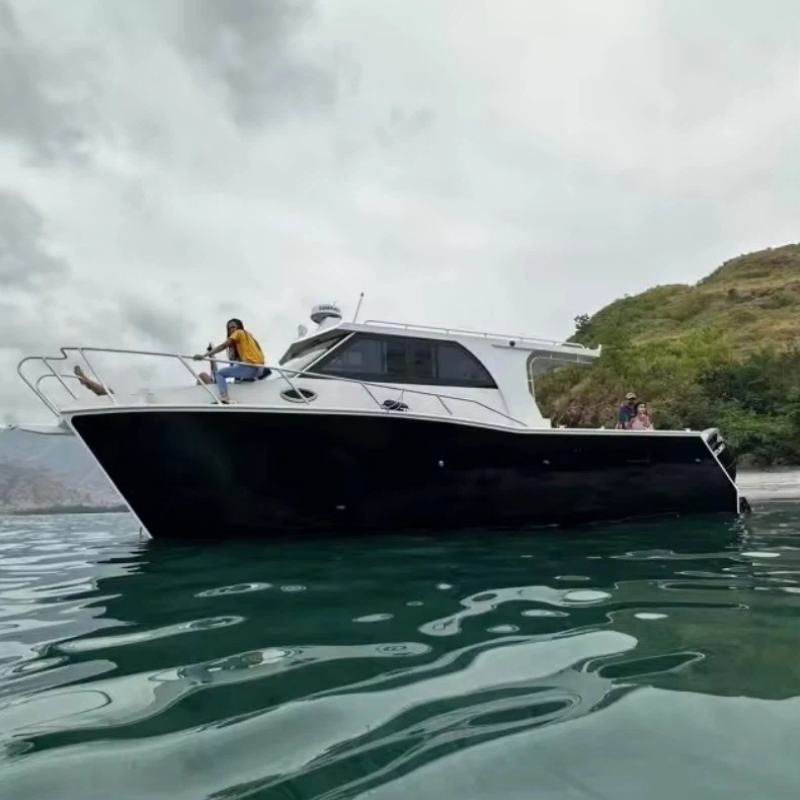
Electronics, Wiring, and Battery Care: Avoiding Common Failures
Modern fishing boats rely heavily on electronics—GPS, sonar, navigation lights, and entertainment systems. Proper care of these systems ensures reliability and safety on every trip.
Check all electrical connections regularly for corrosion, especially in humid or salty environments. Use dielectric grease on plugs and terminals to protect against moisture. Keep wiring neatly organized and secured to avoid chafing or damage from vibration. Replace worn insulation or cracked connectors immediately.
Your battery deserves equal attention. A weak or neglected battery is a common cause of breakdowns at sea. Test voltage monthly and clean terminals using a wire brush. Ensure your charger is marine-rated and use a maintenance charger when storing the boat. If your fishing boat has multiple batteries for different systems, label them clearly and rotate usage to maintain balance. Qingdao Gospel Boat’s aluminum models are designed with easy-access battery compartments, simplifying inspection and service.
When to Call a Professional vs. DIY — Parts to Keep on Hand
Not every task needs a mechanic—but knowing when to call one can save you from costly mistakes. As a rule, simple inspections, lubrication, and cleaning can be DIY. But complex repairs involving electrical systems, fuel injectors, or engine internals are best left to professionals.
To stay ready, every fishing boat owner should keep a small inventory of spare parts on hand. These essentials can save your trip—or even your season:
Engine oil and filters
Fuel filters
Spare spark plugs
Bilge pump fuses
Propeller nut and cotter pin
Assorted screws and hose clamps
Anodes and sealants
Gospel Boat also supplies compatible maintenance kits and replacement parts for our aluminum fishing boats. Having these consumables available means less downtime and more time doing what you love—fishing.
Seasonal Maintenance Checklist
Each season brings unique maintenance needs. Following a seasonal checklist keeps your fishing boat performing at its peak.
Spring (Pre-Season Preparation):
Reinstall batteries and test electronics.
Check fuel and oil filters, replace if needed.
Inspect trailer tires and bearings.
Wax hull and polish aluminum surfaces.
Confirm safety gear—life jackets, fire extinguishers, and flares—are ready.
Mid-Summer (Active Season):
Rinse after every trip, especially in saltwater.
Inspect propeller, anodes, and hull regularly.
Clean bilge and replace filters monthly.
Monitor engine performance and fluid levels.
Autumn/Winter (Post-Season Storage):
Flush and winterize the engine.
Drain water from tanks and lines.
Lubricate steering and throttle controls.
Cover boat with a breathable tarp.
Store electronics and batteries indoors.
These seasonal steps ensure your fishing boat remains reliable and ready for every catch, no matter the conditions.
Conclusion
Maintaining fishing boats may seem like a lot of work, but with the right habits and a trusted manufacturer, it becomes second nature. Qingdao Gospel Boat Co., Ltd. builds durable, high-performance aluminum boats that are easy to care for, even in demanding marine environments. By following the steps above and using quality parts—from filters and anodes to sealants—you’ll keep your vessel in peak condition for many seasons to come. To learn more about our fishing boat models, maintenance kits, or to request a boat maintenance checklist, visit our website or contact us today to get expert advice and detailed product information.
FAQ
1. How often should I perform routine maintenance on my fishing boat?
Minor maintenance, such as rinsing and checking fluids, should be done after every trip. Comprehensive inspections and oil changes are best scheduled seasonally or at least once per year.
2. What’s the best way to protect aluminum fishing boats from corrosion?
Always rinse thoroughly after saltwater use, apply marine protectants, and regularly inspect your anodes. Aluminum anodes are an excellent choice for mixed or brackish waters.
3. Can I handle boat maintenance myself, or should I always hire a professional?
Simple cleaning, lubrication, and filter changes are easy DIY tasks. However, complex engine or electrical work should be left to professionals to avoid damage or voided warranties.
4. What products should I keep on hand for emergency maintenance?
Keep essential spares like oil filters, spark plugs, anodes, bilge fuses, and sealants. Gospel Boat offers maintenance kits specifically designed for our aluminum fishing boats to simplify upkeep and ensure compatibility.


