Selecting the right fishing vessel is a capital-intensive decision that balances technical performance with specific operational requirements. This guide moves beyond generalities to provide an evaluation framework for buyers, focusing on how hull design, deck layout, and propulsion systems correlate with specific fishing environments and long-term ownership goals. Navigating the various types of fishing boats can feel overwhelming, but clarity emerges when you prioritize function over form. By analyzing your local maritime conditions and anticipated usage intensity, you can effectively narrow your search. Whether you are seeking the versatility of modern cuddy cabin fishing boats or specialized platforms, understanding the core design trade-offs remains essential. This article explores how to align your requirements with the right vessel, ensuring your next purchase supports your fishing objectives for years to come.
Key Takeaways
Operational Context Matters: Success starts by aligning boat type with target waters (offshore vs. inshore) and species.
Design Trade-offs: Understand the tension between stability (V-hull) and utility (center console) versus comfort (cuddy cabin).
Technical Benchmarking: Size matters—specifically comparing performance metrics like the stability of a 7.5m V-hull cuddy cabin against the maneuverability of an 11m center console.
Decision-Stage Logic: Move from "what do I want" to "what meets my safety and maintenance requirements" to avoid common over-specification risks.
Understanding Your Operational Requirements
Defining your specific mission serves as the foundation for any successful boat search. Do you plan to target trophy species in offshore canyons, or will your time focus on sheltered inshore bay fishing? High-stakes tournament fishing often demands redundant systems and advanced radar suites. Conversely, family-oriented cruising requires safety features, seating capacity, and reliable shade solutions. Environmental constraints influence hull selection more than any other factor. You must analyze typical water depths, salinity levels, and the chop you expect to encounter. A vessel built for calm inland lakes will likely fail in turbulent coastal swells. Saltwater exposure requires specific hull materials to prevent rapid oxidation. You should also consider your storage options. Will the boat remain in a wet slip, or do you need a trailerable setup? Assessing these variables early helps you avoid purchasing a vessel that sits unused due to docking or maintenance logistics. Every owner needs to consider how the boat integrates into their lifestyle rather than just focusing on the thrill of the initial purchase.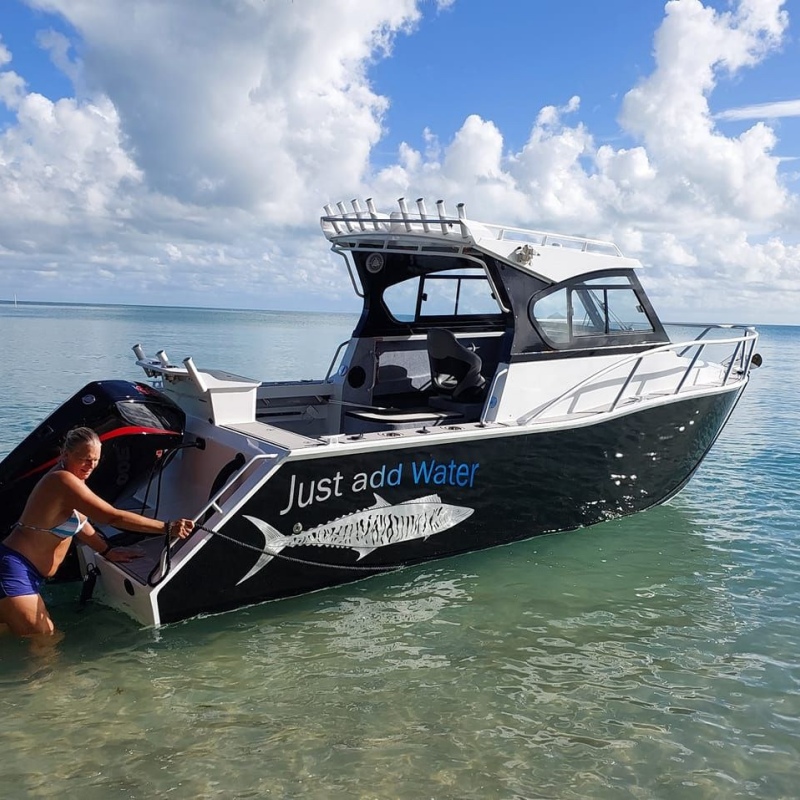
Categorizing Fishing Boats by Hull and Layout
Choosing between boat designs often involves balancing deck utility against protection from the elements. Most buyers find themselves evaluating the classic center console vs. cuddy cabin debate. Each design offers distinct advantages for specific fishing styles.
Center Consoles
The open-deck layout of a center console provides an incredible advantage for active anglers. You gain 360-degree fishability, which proves vital when fighting a fish around the boat. Many professionals prefer the 11m center console fishing boat because it handles large crews with ease. This size offers enough space for multiple people to cast simultaneously without interference. Because the layout lacks an enclosed cabin, cleaning the deck after a long day takes only minutes.
Cuddy Cabins
Cuddy cabins prioritize weather protection, making them ideal for variable sea states or overnight trips. They provide a secure area to escape the sun or store sensitive gear away from saltwater spray. A high-quality 7.5m V-hull cuddy cabin boat delivers excellent stability in rougher waters. This hull design cuts through chop efficiently, offering a dry ride that keeps your crew energized for the day. You should consider if your trips often involve long runs across open water where shelter becomes a necessity.
Comparison Summary
The following table outlines the functional differences between these popular designs.
Comparison of Boat Configurations | Feature | Center Console | Cuddy Cabin |
| Fishability | Excellent (360-degree) | Good (Bow access required) |
| Weather Protection | Minimal | High |
| Maintenance | Simple/Fast | Moderate |
| Ideal Use | Active Sport Fishing | Offshore/Overnight Cruising |
Critical Evaluation Dimensions for Professional-Grade Selection
Structural integrity dictates the longevity of your investment. Modern aluminum construction offers a superior strength-to-weight ratio compared to traditional fiberglass. Aluminum hulls resist impact damage better when docking or navigating rocky shallows. Repairs are also generally more straightforward for qualified technicians. Propulsion systems represent another vital consideration. Outboard motors currently dominate the market due to their ease of maintenance and tilting capabilities. These engines allow you to explore shallower waters without damaging propellers or shafts. They also provide cleaner deck space, as they remove heavy inboard engines from the center of the boat. Compliance with safety standards remains non-negotiable. You must ensure your vessel carries the correct equipment for your local jurisdiction. This includes life vests, fire extinguishers, and emergency signaling devices. If you plan on commercial operations, verify that the hull and engine configuration meet local maritime authority requirements. Failing to meet these standards leads to regulatory hurdles and potential safety risks on the water.
Implementation Realities and Adoption Risks
Draft and clearance issues often cause significant frustration for new owners. You might fall in love with a large boat, only to find that it exceeds your local dock's clearance or draft limits. Research your home port's depth at low tide before committing to a purchase. You want a boat that enables your fishing habits, not one that limits them. Transitioning between boat sizes involves a legitimate learning curve. Moving from a smaller skiff to an 11m platform changes how you handle docking, trim, and throttle response. You should consider taking a boat handling course if you are upgrading significantly in size. Maintenance represents an ongoing responsibility for every boat owner. Modern boats feature complex electronic suites that require regular software updates and battery monitoring. Bilge systems and bait-well pumps also require consistent inspection to prevent leaks or failures during critical moments. Neglecting these systems can lead to expensive repairs and shortened equipment lifespans. Develop a strict maintenance schedule to protect your vessel.
Shortlisting and Final Decision Logic
Defining your non-negotiables helps you cut through marketing noise. Create a scorecard for your desired features, such as fuel capacity, deck square footage, or maximum passenger count. This objective approach prevents emotional purchases that may not actually suit your needs. Testing your prospective boat is mandatory before final payment. Schedule a wet test to observe how the hull performs in conditions similar to your home waters. Does it handle crosswinds well? Is the visibility from the helm sufficient for your height? A wet test reveals details that brochures simply cannot communicate. Strategic acquisition depends on understanding your local market. Compare the value of new vessels against high-quality pre-owned options. While new boats offer the latest technology and warranties, pre-owned boats often come with valuable add-ons like upgraded electronics or specialized trailers. Examine depreciation trends to ensure your decision provides long-term value. Always prioritize your specific fishing goals to guide your final choice.
Conclusion
Choosing the right fishing boat requires reconciling your technical needs with your long-term usage patterns. By shifting your focus toward functional requirements like hull stability or deck layout, you secure a vessel that supports your goals. Whether you prioritize the specialized workspace of an 11m center console or the protective comfort of a 7.5m V-hull, testing and evaluation remain your best tools. Define your priorities, evaluate the technical specifications, and conduct a thorough test drive to ensure your selection provides operational success.
FAQ
Q: What is the most significant difference between a 7.5m V-hull and an 11m center console?
A: The primary difference lies in utility versus protection. The 11m center console offers superior 360-degree fishability and workspace for large crews. In contrast, the 7.5m V-hull cuddy cabin provides a dedicated, enclosed shelter. This shelter is vital for protection against weather and offers comfort during longer, multi-day trips where an open deck would leave you exposed.
Q: How do I determine the right hull design for my home port?
A: Analyze your local water conditions. For deep-water access with frequent, heavy chop, a deep-V hull offers better stability and a smoother ride. If you frequent shallow, protected bays or tidal estuaries, a lower draft vessel is essential to avoid grounding. Consider local tide patterns and the typical sea state during your preferred fishing seasons to match the hull design to your environment.
Q: When should I prioritize a cuddy cabin over an open deck?
A: You should choose a cuddy cabin when your fishing trips span long distances, occur in cooler or unpredictable weather, or involve family members who require comfort. The cabin provides essential relief from sun, rain, and spray, and allows for secure gear storage. If your primary goal is maximizing active fishing space for a large group in warm conditions, an open deck is generally superior.
Q: What maintenance factors should I prioritize for a first-time owner?
A: Prioritize regular engine flushing, particularly after saltwater use, to prevent corrosion. Keep a strict schedule for checking bilge pumps, bait-well aeration, and battery terminals for salt buildup. Additionally, monitor your electronics suite, ensuring connections remain clean and dry. Establishing a consistent cleaning routine for the hull and deck will significantly extend the boat's lifespan and preserve its appearance over time.


