Selecting the right vessel for freshwater fishing is a trade-off between accessibility, stability, and utility. This guide focuses on matching boat design to specific water profiles—ranging from shallow river systems to expansive reservoirs—to ensure your investment aligns with your actual time on the water. Navigating the market requires balancing physical constraints with your personal fishing style, as the wrong hull design can hinder your success and enjoyment. Whether you seek quiet backwaters or challenging open-water conditions, understanding these variables is essential for a rewarding experience. In the following sections, we will explore the critical factors governing boat performance, examine popular categories of watercraft, and provide a framework to simplify your search. By prioritizing the characteristics that match your local geography, you can make an informed decision that enhances every trip.
Key Takeaways
Context is King: The primary driver of your selection should be the water topography, not just the species targeted.
Aluminum vs. Fiberglass: Aluminum remains the standard for river and rocky lake environments due to durability; fiberglass offers superior performance in large, open reservoirs.
The Utility Threshold: Modern compact aluminum fishing boats, such as the Easy Craft E470, provide a middle-ground solution for those needing trailering ease without sacrificing safety.
Risk Management: Always evaluate your boat choice against local waterway regulations and, most importantly, the specific safety requirements of your home waters.
Understanding Your Waterway: The Primary Selection Driver
Your choice of vessel depends heavily on where you fish. A boat optimized for a narrow river will perform poorly on a massive, windswept reservoir. Before looking at specific models, analyze the topography of your home waters. If you frequent rocky river systems, you need a hull that handles unexpected impacts without failing. Conversely, large reservoirs demand stability to manage sudden chop and high winds. Draft and maneuverability are vital for river anglers. A shallow draft allows you to reach hidden spots where fish congregate in low-water conditions. Deep-V hulls are safer for open reservoirs but often struggle in shallow, current-heavy environments. You must also account for local regulations. Some protected inland waters enforce electric-only motor rules or have limited launch facilities. Before finalizing your freshwater fishing boat selection, confirm that your chosen vessel meets these specific compliance requirements.
Evaluating Freshwater Fishing Boat Categories
Finding the right balance involves understanding how different categories serve your needs. For many, compact models provide the perfect mix of agility and storage. These vessels allow you to navigate tight corners with ease.
These boats offer deep sidewalls and stable platforms. They provide the necessary space for tackle storage during long days. If you fish large lakes regularly, the extra length and width help maintain stability in choppy conditions.
Jon Boats and Mod-V Boats
For protected, calm waters, these designs offer a high utility-to-cost ratio. They are lightweight, simple to maintain, and easy to trailer. While they lack the rough-water capabilities of deep-V hulls, they are unbeatable for shallow backwater exploration. The following table summarizes how different boat types align with various environments:
Table 1: Boat Type Application Guide
Boat Category
Best Environment
Primary Strength
Compact Aluminum
Rivers & Small Lakes
Maneuverability
Multi-Species Deep-V
Large Reservoirs
Stability
Jon Boats
Calm Inland Waters
Access & Draft
Essential Features for Decision-Making
Maintenance and durability define your long-term satisfaction. Aluminum hulls resist damage from rocks and submerged logs better than fiberglass. This makes them ideal for reservoirs where water levels fluctuate and expose hazards. Consider how much time you want to spend on maintenance. A simple deck layout often lasts longer and proves easier to clean than a complex, luxury interior. Storage ergonomics matter when you spend hours on the water. Ensure your layout allows for easy access to gear without creating trip hazards. Modern fishing requires advanced electronics, so check that your boat provides adequate power and mounting surfaces for sonar and navigation units. Finally, consider trailering. If you fish alone, your boat must be easy to launch and retrieve at smaller, less maintained access points. These practical elements are often more important than high-end features.
Implementation Realities: Lessons from the Field
Field experience teaches us that weight-to-power ratios are critical. Many anglers regret choosing an under-powered motor for their chosen water type. A vessel that struggles against current can become a liability rather than a tool. Always match your engine capacity to the challenges of your local environment. Avoid the trap of "feature creep." Adding too many electronic gadgets or complex storage systems can complicate maintenance. These features rarely improve your catch rate in the long run. Focus instead on the foundation: a solid hull and a reliable outboard. Another common challenge involves the learning curve. Maneuvering a deep-V hull in high-wind conditions requires practice. You must understand how your specific design reacts to currents and crosswinds before attempting difficult maneuvers near docks or launch ramps.
Shortlisting Your Next Boat: A Framework for Evaluation
Start your search by defining your non-negotiables. List the essential requirements, such as trailer dimensions, material preference, and seating capacity. This list prevents emotional purchases that do not serve your actual needs. Once you have your requirements, start the vetting process. Visit dealerships to sit in different models. If possible, rent similar boats to experience how they handle on the water. This hands-on time is invaluable. 1. Create a spreadsheet to compare models side-by-side. 2. Note the total weight including the trailer and fuel. 3. Compare the maximum horsepower ratings for each hull. 4. Review the warranty terms for the hull and the engine. 5. Identify the "best fishing boats for lakes and calm rivers" based on your specific criteria. By methodically checking these items, you move from simple browsing to a confident purchase. Keep your list focused on the best freshwater fishing boats for your unique situation.
Conclusion
Selecting a vessel is about minimizing friction in your fishing routine. When you prioritize the specific demands of your home waters, you ensure a better return on your investment. Aluminum remains a top contender for durability and ease of use in diverse environments. Whether you select a compact model for river agility or a larger hull for reservoir stability, focus on quality and maintenance simplicity. Take your time to test your options, and always verify that your choice meets local safety standards. You are now prepared to choose a boat that provides years of reliable service and enjoyment on the water.
FAQ
Q: Why is aluminum generally preferred for river fishing?
A: Aluminum hulls provide a superior strength-to-weight ratio and exceptional impact resistance. This durability is critical when you navigate shallow, rocky riverbeds where fiberglass hulls might suffer structural damage or gel-coat cracking.
Q: What should I look for in a compact aluminum fishing boat for beginners?
A: Focus on ease of trailering, simple hull maintenance, and the ability to fit into smaller, less accessible launch points. Beginners benefit from a lightweight, responsive platform that is forgiving to maneuver in tight spaces.
Q: How does reservoir fishing change my boat requirements compared to lakes?
A: Large reservoirs are subject to rapid, unpredictable weather shifts. Prioritizing a deeper V-hull for stability and safety becomes significantly more important in these open environments than it is in calm, protected lakes.
Q: Is an Easy Craft E470 suitable for professional-level fishing?
A: It serves as a highly capable platform for those needing a compact, durable, and highly maneuverable craft. While professional tournament anglers may require more specialized gear storage, the E470 provides an excellent, reliable foundation for most fishing applications.


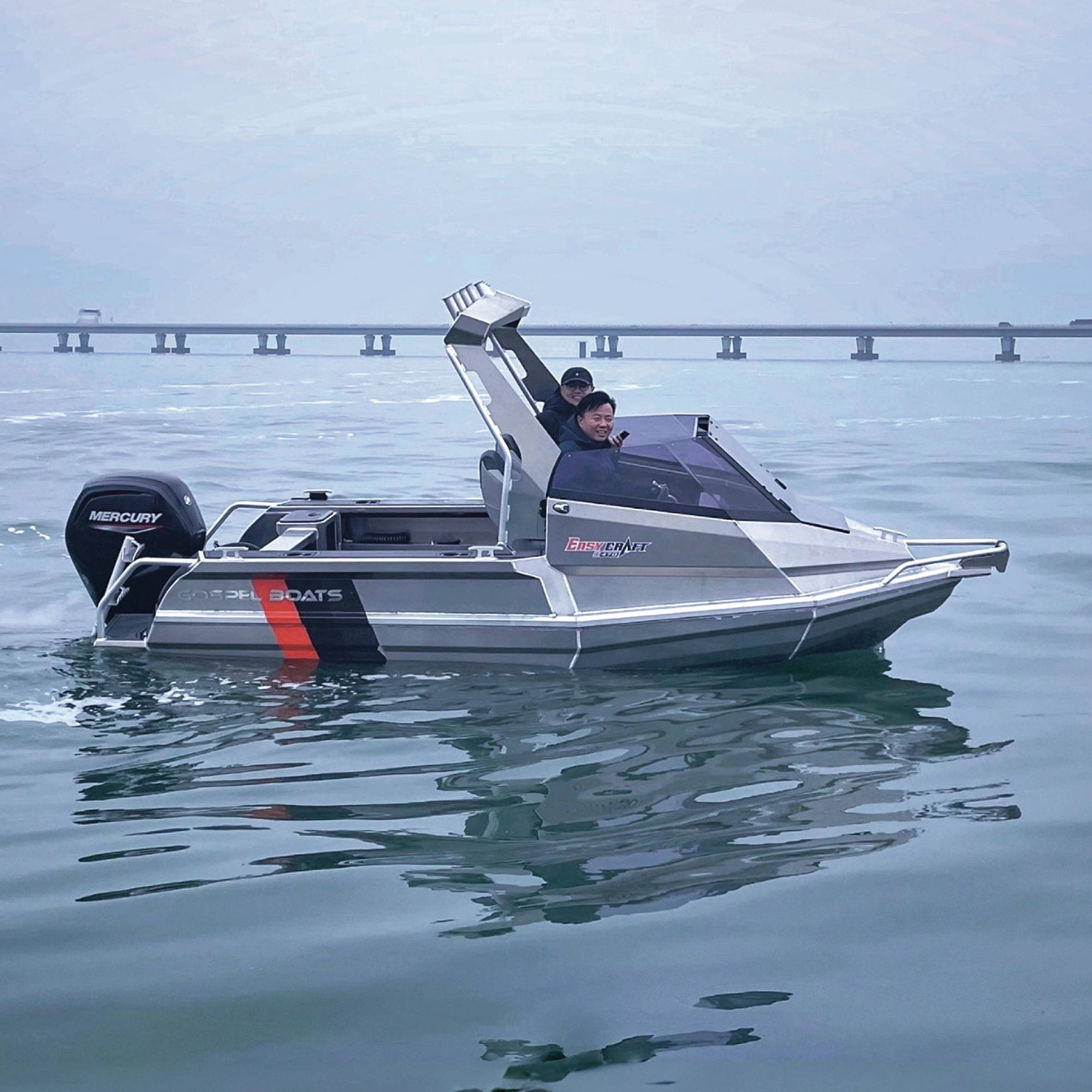 Finding the right balance involves understanding how different categories serve your needs. For many, compact models provide the perfect mix of agility and storage. These vessels allow you to navigate tight corners with ease.


